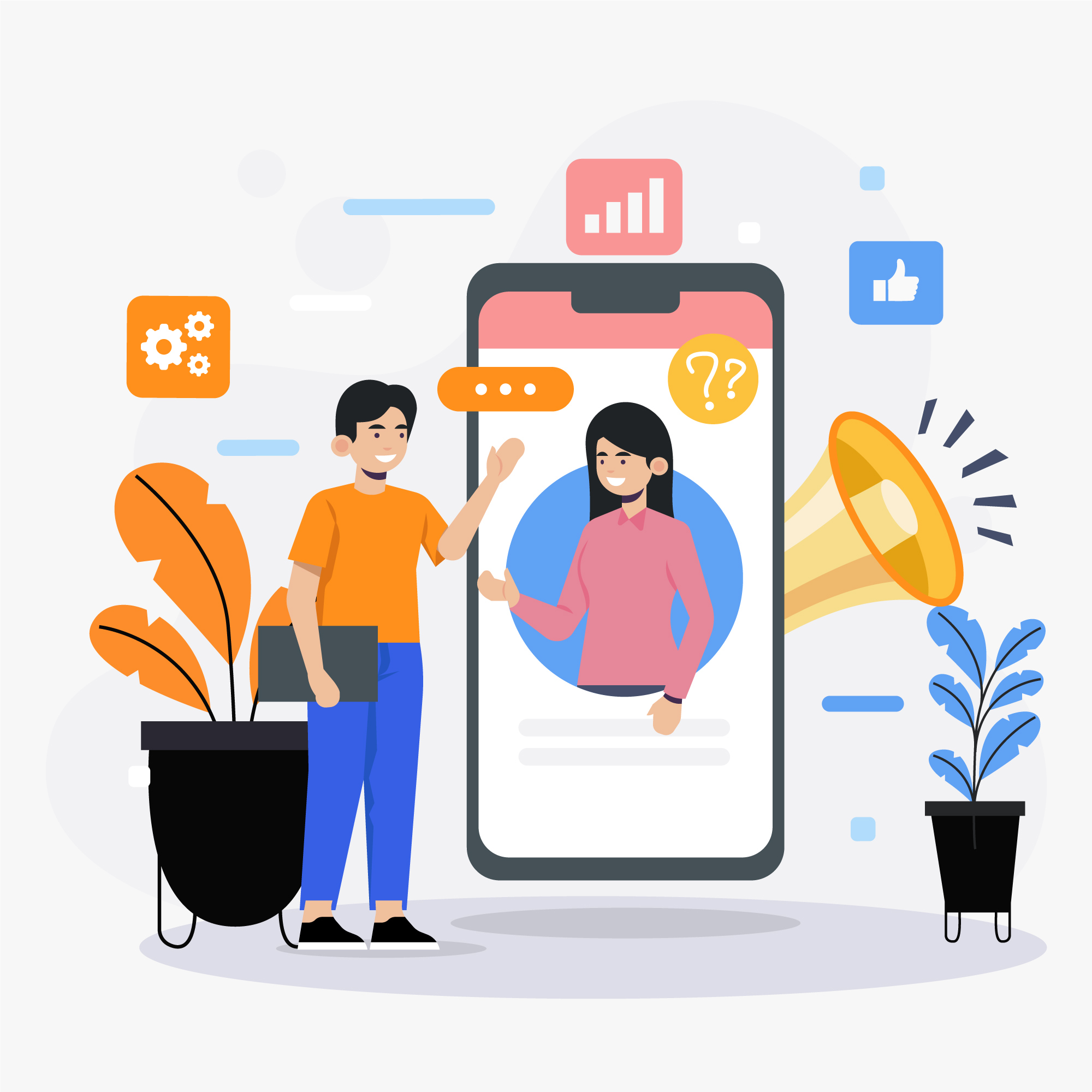
AI has quietly become part of everyday life. We use it to write messages, find information, plan tasks, and even make decisions. It saves time. It makes work easier. Sometimes it feels like having a smart assistant in your pocket.
But after a while, I started wondering: is AI actually helping me think better, or is it slowly doing my thinking for me?
Instead of guessing, I decided to test it in my own daily routine.
The First Half: Letting AI Do the Work
For the first half of the month, I used AI as much as possible. Whenever I had to write something, research a topic, organize ideas, or plan my work, I turned to AI.
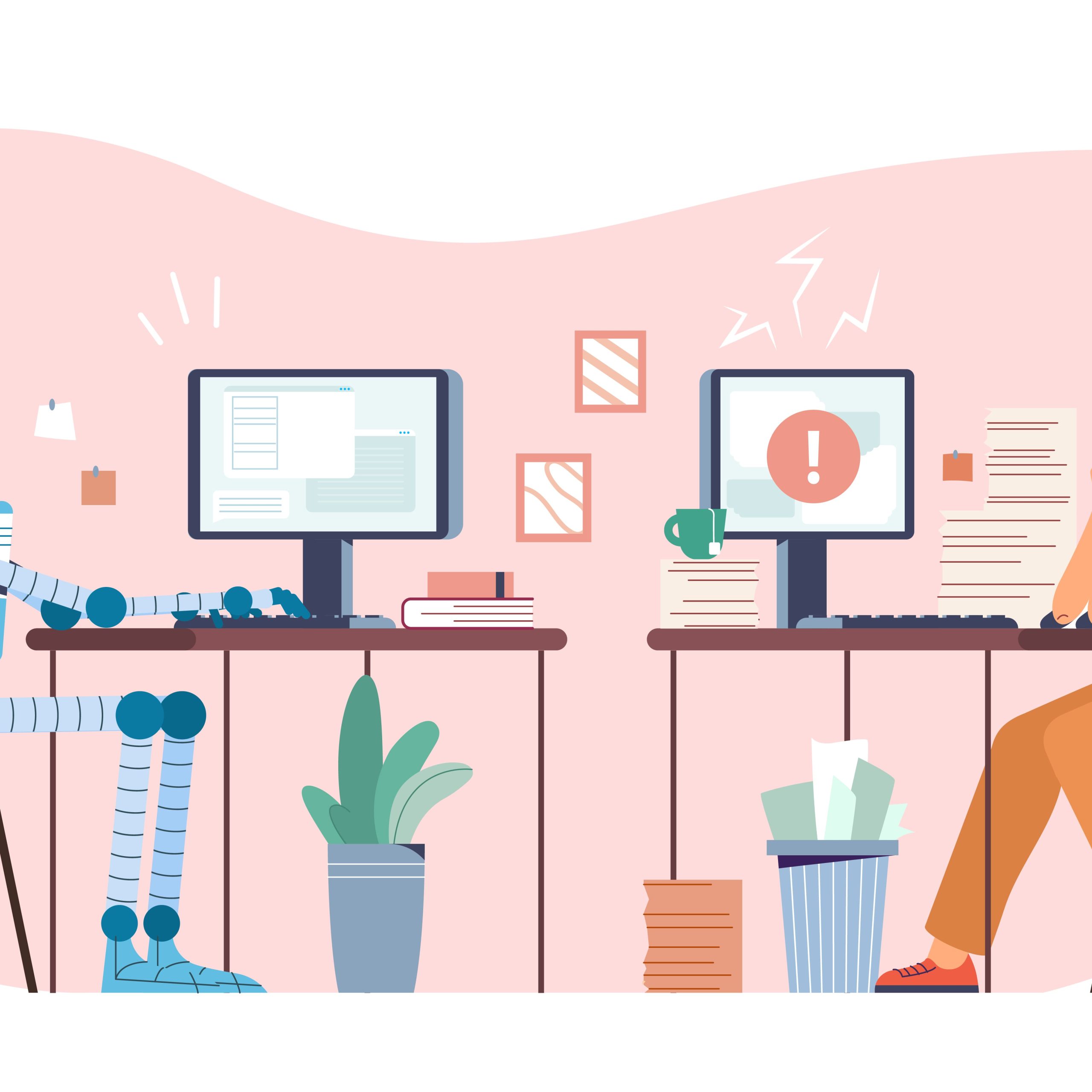
At first, it felt amazing. Tasks that once took hours were done in minutes. My writing sounded cleaner. My ideas were more organized. On the surface, everything improved.
But something else happened too. I noticed that I wasn’t thinking as deeply. I accepted suggestions without questioning them. I moved quickly from one task to another, but I didn’t always remember what I had worked on. The work looked good, but it didn’t always feel like mine. I was productive, but mentally, a little passive.
The Second Half: Thinking Without AI
In the second half of the month, I changed things. I stopped depending on AI for most of my work. I wrote my thoughts on my own. I read full articles instead of summaries. I struggled with ideas instead of asking for instant answers.
At first, it was frustrating. Everything took longer. I had to sit with confusion and figure things out myself. There were moments when I really missed the shortcuts.
But slowly, something changed. I started understanding things better. I remembered what I read. My ideas felt clearer because I had built them myself. It took more effort, but my mind felt more active. It was harder, but also more satisfying.
What I Realized
That’s when I understood something important: AI is not simply making us smarter or more dependent. It can do both, depending on how we use it.
When we use AI as a support tool—something that helps us explore ideas, learn faster, and improve what we already think—it can make us better. It saves time and opens up new ways of understanding.
But when we let AI think for us, when we accept its answers without reflection or avoid the effort of understanding, we slowly give up important mental skills. Writing, problem-solving, critical thinking, and even memory need practice. If we stop using them, they weaken.
The danger is not that AI is intelligent.
The danger is that we might stop trying to be.
How I Use AI Now
Now, I try to use AI in a more balanced way. I start by thinking on my own before asking for help. I use AI to challenge my ideas instead of replacing them. Sometimes, I work without it at all, just to keep my mind active. I also remind myself not to trust every answer instantly. Thinking still matters.
Final Thoughts
So, is AI making us smarter or more dependent?
It can do either.
Used with intention, AI becomes a powerful tool that helps us grow.
Used carelessly, it becomes a shortcut that weakens our ability to think.
In the end, the real question isn’t whether AI is smarter than us.
It’s whether we are still choosing to think for ourselves.
And that choice is still in our hands.