

Think about your daily routine for a moment. You wake up, check your phone, scroll through social media, search for something on Google, watch a video, or read a blog. Somewhere in between, you notice ads, brand posts, emails, or recommendations. All of this is part of digital marketing.
Digital marketing is no longer optional. It has become an essential part of how businesses connect with people today. Whether you realize it or not, you interact with digital marketing many times a day.
Let’s understand digital marketing in a simple, clear, and easy way.
What Is Digital Marketing?
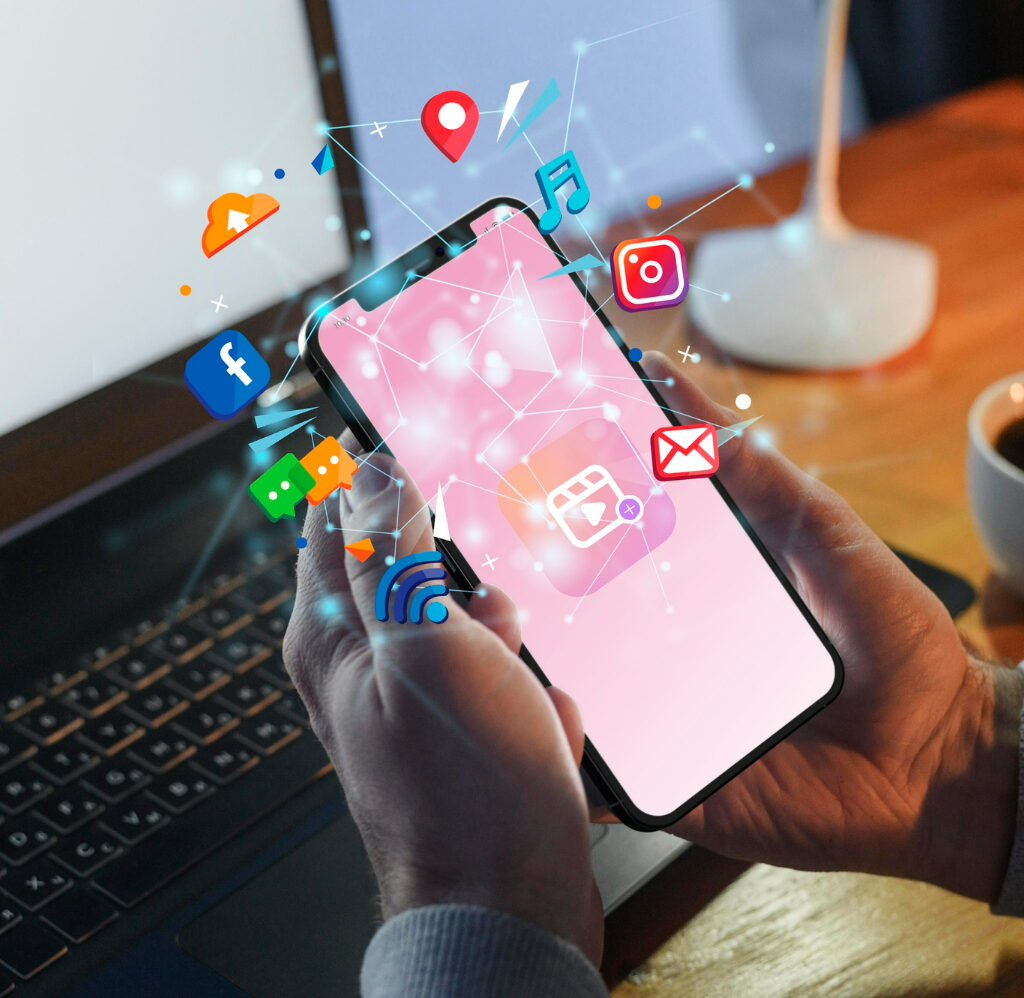
Digital marketing is the process of promoting products, services, or brands using the internet and digital platforms. Instead of traditional methods like newspapers or billboards, digital marketing reaches people through websites, social media, emails, search platforms, and mobile devices.
The main goal of digital marketing is simple: to reach the right people at the right time using digital channels. Since most people spend a lot of time online, digital marketing helps businesses stay visible where their audience already is.
Why Digital Marketing Matters Today
The world has shifted online. People search for information, compare products, read reviews, and make buying decisions digitally. Because of this, businesses that are not online often struggle to survive.
Digital marketing helps businesses understand customer behavior, measure results, and improve strategies quickly. Unlike traditional marketing, digital marketing offers flexibility, speed, and better control.
For individuals, digital marketing creates career opportunities, freelancing options, and ways to earn online. This is why it is considered one of the most valuable modern skills.
ur adipiscing elit. Ut elit tellus, luctus nec ullamcorper mattis, pulvinar dapibus leo.
How Digital Marketing Actually Works
Digital marketing works by combining creativity, strategy, and technology. A brand first understands its audience and their needs. Then it creates useful or engaging content and shares it on the right digital platforms. Promotions are run to increase visibility, and performance is tracked to see what works best.
This entire process is divided into different modules of digital marketing, each focusing on a specific area. Let’s explore these modules in a simple way.
- Content Marketing: The Foundation
Content marketing is all about creating meaningful content that helps, informs, or entertains people. Instead of directly selling, brands focus on sharing value through blogs, videos, social posts, and visuals.
Good content builds trust. When people find your content useful, they start trusting your brand. Over time, this trust turns into engagement, loyalty, and conversions. Content marketing is not about pushing products but about building relationships.
Every strong digital marketing strategy starts with quality content.
- Social Media Marketing: Connecting With People
Social media marketing focuses on promoting brands through platforms like Instagram, Facebook, LinkedIn, YouTube, and others. These platforms allow businesses to interact directly with their audience.
Through social media, brands share updates, tell stories, answer questions, and build a community. It helps businesses stay connected with users in a more personal and engaging way. Social media marketing is not just about posting regularly; it’s about understanding trends, audience behavior, and creating content that people enjoy.
Consistency and authenticity play a major role here.
- Pay-Per-Click Advertising: Fast Visibility
Pay-per-click advertising is a method where businesses pay only when someone clicks on their ad. These ads appear on search platforms, websites, videos, and social media feeds.
This module is useful when businesses want quick results. It helps drive traffic instantly and works well for promotions, offers, or new launches. However, success depends on proper planning, targeting, and budget management.
When used correctly, paid ads can deliver powerful results in a short time.
- Email Marketing: Direct Communication
Email marketing allows businesses to communicate directly with their audience through emails. These emails may include updates, useful information, offers, or reminders.
Unlike social media, emails reach people in a more personal space. Email marketing helps maintain long-term relationships and keeps the brand in the customer’s mind. The key is to provide value and not overload inboxes with sales messages.
Well-planned email campaigns can build trust and encourage repeat engagement.
- Affiliate Marketing: Performance-Based Growth
Affiliate marketing is a collaboration-based marketing model. Here, individuals or creators promote a brand’s product and earn a commission for each successful sale or action.
This module benefits both sides. Brands get more exposure without upfront costs, and affiliates earn money by promoting products they believe in. Affiliate marketing is popular among bloggers, YouTubers, and digital creators.
It relies heavily on trust and honest recommendations.
Benefits of Learning Digital Marketing
Digital marketing offers flexibility, creativity, and growth. It allows individuals to work from anywhere, start their own projects, or build a successful career. Businesses benefit by reaching the right audience efficiently and building strong online visibility.
Since the digital world keeps evolving, digital marketing continues to offer new opportunities for learning and innovation.