

Easter: Meaning, History, Traditions, and Modern Celebrations
Easter is one of the most important and widely celebrated festivals in the world, especially among Christians. It represents hope, renewal, and new beginnings. While deeply rooted in religious beliefs, Easter has also evolved into a cultural celebration observed by people of different backgrounds. This blog explores the meaning, history, traditions, and global significance of Easter in a clear, human-friendly, and SEO-optimized way.
What is Easter?
Easter is a major Christian festival that celebrates the resurrection of Jesus Christ from the dead. According to the New Testament, Jesus was crucified and rose again on the third day, symbolizing victory over death and sin.
For Christians, Easter is the foundation of their faith, as it represents the promise of eternal life and salvation. It is also considered the joyful conclusion of Lent—a 40-day period of fasting, prayer, and reflection.
When is Easter Celebrated?
Unlike fixed holidays, Easter does not fall on the same date every year. It is celebrated on the first Sunday after the first full moon following the spring equinox (March 21).
This means Easter can occur anytime between March 22 and April 25. The date varies because it is based on both solar and lunar calendars, making it a movable feast.
The Historical Origins of Easter
The origins of Easter date back over 2,000 years. Early Christians began celebrating the resurrection of Jesus as early as the 2nd century.
The timing of Easter is closely linked to the Jewish festival of Passover, as Jesus’ crucifixion and resurrection occurred around that period.
In 325 AD, the Council of Nicaea established a standard method for calculating the date of Easter, ensuring uniform celebration across Christian communities.
Religious Significance of Easter
Easter holds deep spiritual meaning for Christians worldwide. It represents:
- Victory over death: Jesus’ resurrection symbolizes triumph over mortality.
- Forgiveness of sins: His sacrifice is believed to redeem humanity.
- Hope and renewal: Easter signifies new life and spiritual rebirth.
The week leading up to Easter, known as Holy Week, includes important events such as:
- Palm Sunday – Jesus’ entry into Jerusalem
- Good Friday – Commemoration of the crucifixion
- Easter Sunday – Celebration of the resurrection
These events form the core of Christian belief and worship.
Easter Traditions Around the World
Over time, Easter has developed a variety of traditions, blending religious practices with cultural customs.
1. Easter Eggs
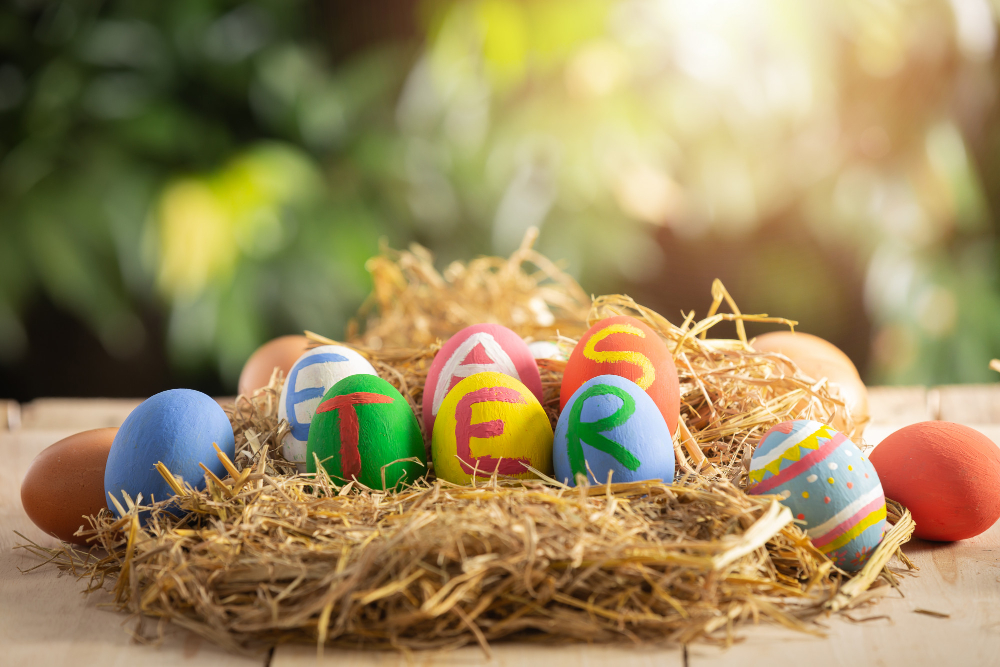
Easter eggs are one of the most popular symbols of the festival. They represent new life and rebirth.
Decorating eggs dates back centuries, and today it includes activities like egg painting, egg hunts, and chocolate eggs for children.
2. The Easter Bunny
The Easter Bunny is a fun and widely recognized symbol, especially in Western countries. It is believed to have been introduced by German immigrants who brought the tradition of an egg-laying hare.
Children often receive baskets filled with sweets and gifts delivered by the Easter Bunny.
3. Church Services
Many Christians attend special church services on Easter Sunday. These services include prayers, hymns, and readings that celebrate the resurrection of Jesus.
4. Festive Meals
Families gather to enjoy special meals on Easter. Traditional dishes vary by region, but the focus is on togetherness and celebration. In many cultures, lamb or other festive foods are prepared to mark the occasion.
Easter Symbols and Their Meanings
Easter is rich in symbolism, each representing deeper spiritual ideas:
- Eggs – New life and resurrection
- Lamb – Sacrifice and purity
- Cross – Crucifixion and faith
- Lilies – Purity and hope
These symbols help convey the message of renewal and faith associated with Easter.
Easter in Modern Times
Today, Easter is celebrated not only as a religious festival but also as a cultural and social event. In many countries, it includes:
- Public celebrations and parades
- Family gatherings
- Gift exchanges and festive decorations
Even non-Christians often participate in Easter activities like egg hunts and festive meals, making it a widely embraced holiday.
Why Easter Matters Today
Easter continues to hold relevance in modern society for several reasons:
- Spiritual Reflection – It encourages people to reflect on faith and values.
- Family Bonding – It brings families together for celebration.
- Cultural Unity – It bridges religious and cultural traditions.
- Symbol of Hope – It reminds people of renewal and new beginnings.
In a fast-paced world, Easter offers a moment to pause, reflect, and reconnect with loved ones.
Conclusion
Easter is more than just a holiday—it is a powerful symbol of hope, renewal, and faith. Rooted in the resurrection of Jesus Christ, it carries deep religious significance while also embracing cultural traditions enjoyed worldwide.
From church services to Easter eggs and family gatherings, the festival continues to evolve while maintaining its core message of new life and joy. Whether celebrated for its spiritual meaning or festive traditions, Easter remains a meaningful and cherished occasion across the globe.
- No Comments
- April 3, 2026