

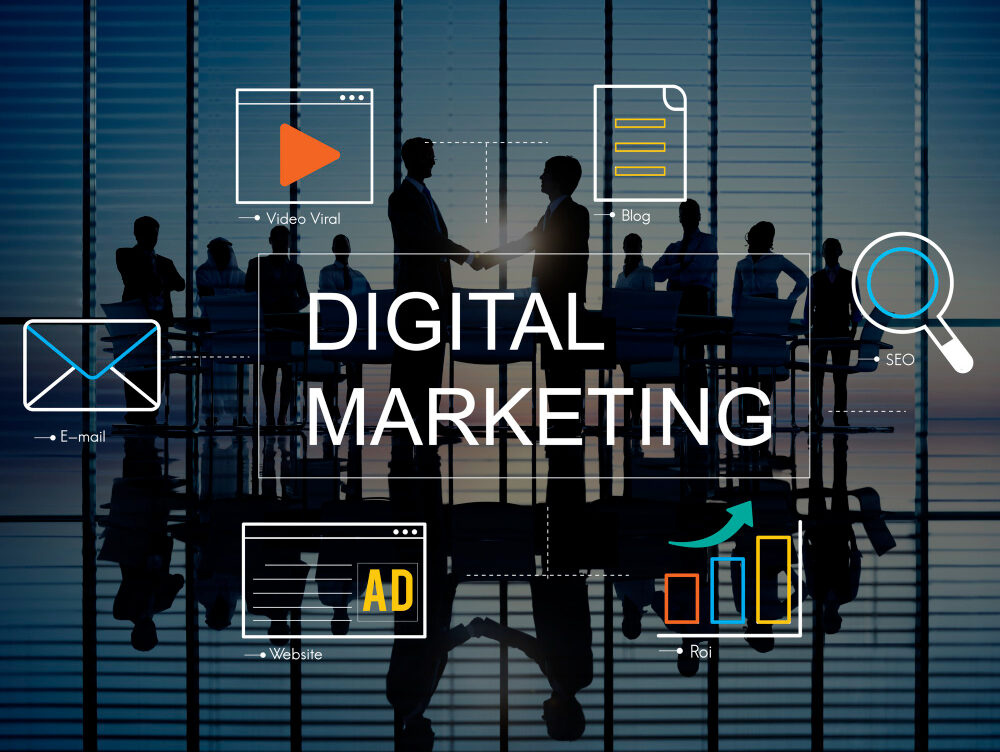
Digital Marketing Examples for Beginners (Detailed & Easy Guide)
Digital marketing has become a must-have skill in today’s digital world. Whether you are a student, business owner, freelancer, or content creator, learning digital marketing can help you grow online and reach more people.
If you’re just starting, don’t worry — this guide will explain everything in a simple and human-friendly way with detailed examples so you can clearly understand how it works in real life.
What is Digital Marketing?
Digital marketing is the process of promoting products or services using the internet and digital platforms. Instead of traditional marketing methods like newspapers, radio, or TV, digital marketing focuses on online channels such as:
- Social media
- Websites
- Search engines (like Google)
- Emails
- Mobile apps
In simple words, whenever you see ads or promotions online, that’s digital marketing.
Why Digital Marketing is Important
Digital marketing is powerful because it helps businesses connect with people where they spend most of their time — online.
Here’s why it is important:
- Wider Reach: You can reach people not only in your city but across the world.
- Low Cost: It is much cheaper than traditional marketing methods.
- Targeted Audience: You can show your ads to specific people based on age, interests, or location.
- Measurable Results: You can track how many people clicked, viewed, or purchased.
- Better Engagement: You can interact directly with your audience.
Now let’s explore detailed examples of different types of digital marketing.
1. Social Media Marketing (Detailed Example)
Social media marketing means promoting your brand or products on platforms like Instagram, Facebook, or Twitter.
Example Scenario:
You own a small handmade jewelry business.
What you do:
- Create an Instagram page for your brand
- Post clear and attractive photos of your jewelry
- Write engaging captions describing the product
- Use hashtags like #handmadejewelry or #fashionstyle
- Share customer reviews and testimonials
- Post stories, reels, and behind-the-scenes videos
Why it works:
People spend a lot of time scrolling on social media. When they see your products regularly, they become interested and may follow your page.
Result:
- More followers
- Increased brand awareness
- Higher chances of sales
👉 Social media helps you build a community, not just customers.
2. Search Engine Optimization (SEO) (Detailed Example)
SEO is the process of improving your website so that it appears higher on search engines like Google.
Example Scenario:
You run a blog about healthy recipes.
What you do:
- Research keywords like “easy healthy breakfast”
- Write helpful blog posts using those keywords
- Use proper headings (H1, H2, H3)
- Add images and optimize them
- Improve page speed
- Make your website mobile-friendly
Why it works:
When someone searches for “healthy breakfast ideas,” Google shows the most relevant and optimized websites.
Result:
- More organic (free) traffic
- Higher visibility
- Long-term growth
👉 SEO takes time but gives long-lasting results.
3. Email Marketing (Detailed Example)
Email marketing is a way to connect with your audience through emails.
Example Scenario:
You run an online clothing store.
What you do:
- Ask visitors to sign up for your newsletter
- Offer a discount for joining (like 10% off)
- Send emails about:
- New arrivals
- Special discounts
- Seasonal sales
- Style tips
Example Email:
“Hi! Get 25% off on our summer collection. Limited time only!”
Why it works:
People who subscribe are already interested in your brand. Emails remind them to come back and shop.
Result:
- Increased repeat customers
- Higher sales
- Strong customer relationships
👉 Email marketing is personal and direct.
4. Content Marketing (Detailed Example)
Content marketing is about creating useful and valuable content to attract and engage your audience.
Example Scenario:
You sell fitness equipment.
What you do:
- Write blogs like “Beginner Workout Guide”
- Create videos showing exercises
- Share tips on weight loss and healthy living
- Post motivational content
Why it works:
Instead of directly selling, you help people solve problems. This builds trust.
Result:
- People see you as an expert
- More engagement
- Higher chances of sales
👉 Good content builds long-term trust.
5. Pay-Per-Click (PPC) Advertising (Detailed Example)
PPC is a paid marketing method where you pay only when someone clicks your ad.
Example Scenario:
You sell sports shoes online.
What you do:
- Create a Google ad for “Best Running Shoes”
- Set a budget (e.g., ₹500 per day)
- Target people searching for sports shoes
What happens:
- Your ad appears at the top of Google
- A user clicks the ad
- You pay for that click
Why it works:
It brings instant traffic to your website.
Result:
- Quick visibility
- Immediate results
- More potential customers
👉 PPC is great when you want fast results.
6. Influencer Marketing (Detailed Example)
Influencer marketing involves promoting your product through popular social media personalities.
Example Scenario:
You sell skincare products.
What you do:
- Contact a beauty influencer
- Send them your product
- Ask them to review or promote it
What the influencer does:
- Posts a video or story using your product
- Shares honest feedback
Why it works:
People trust influencers they follow. Their recommendations feel more genuine than ads.
Result:
- Increased trust
- More visibility
- Higher sales
👉 Influencer marketing works well for brand awareness.
7. Affiliate Marketing (Detailed Example)
Affiliate marketing is when others promote your product and earn a commission for each sale.
Example Scenario:
You have an online course.
What you do:
- Give affiliates a special link
- Offer a commission (e.g., 20% per sale)
What affiliates do:
- Promote your course on blogs, YouTube, or social media
- Share their unique link
What happens:
- A user clicks the link
- Buys the course
- Affiliate earns money
Result:
- More sales without direct effort
- Low marketing risk
👉 It’s performance-based marketing.
8. Video Marketing (Detailed Example)
Video marketing is using videos to promote your product or service.
Example Scenario:
You sell kitchen tools.
What you do:
- Create cooking demo videos
- Show how your product works
- Share tips and tricks
Platforms:
- YouTube
- Instagram Reels
Why it works:
Videos are engaging and easy to understand.
Result:
- Higher engagement
- Better product understanding
- More shares
👉 Videos grab attention quickly.
9. Website Marketing (Detailed Example)
Your website is the center of your digital marketing.
Example Scenario:
You own an online store.
What you do:
- Design a simple and clean website
- Add product descriptions and images
- Make navigation easy
- Ensure fast loading speed
- Add customer reviews
Why it works:
A good website builds trust and makes it easy for customers to buy.
Result:
- Better user experience
- Increased conversions
- More credibility
👉 Your website is your digital home.
10. Mobile Marketing (Detailed Example)
Mobile marketing focuses on reaching users on their smartphones.
Example Scenario:
You run a food delivery service.
What you do:
- Send SMS offers like “20% off today”
- Create a mobile-friendly website
- Run ads on mobile apps
- Use push notifications
Why it works:
Most people use their phones all day.
Result:
- Instant reach
- Higher engagement
- More quick actions
👉 Mobile marketing connects instantly.
Tips for Beginners
- Start with 1–2 strategies first
- Focus on your audience’s needs
- Be consistent with content
- Track your results
- Keep learning and improving
Common Mistakes to Avoid
- Doing everything at once
- Ignoring audience research
- Posting without a plan
- Expecting quick success
- Not analyzing performance
Conclusion
Digital marketing is not difficult if you learn step by step. Each method has its own purpose, and together they create a strong online presence.
As a beginner, focus on understanding the basics and practicing regularly. Start small, stay consistent, and slowly improve your skills.
With time, digital marketing can help you grow your business, build your brand, and even create new career opportunities.
- No Comments
- April 15, 2026