

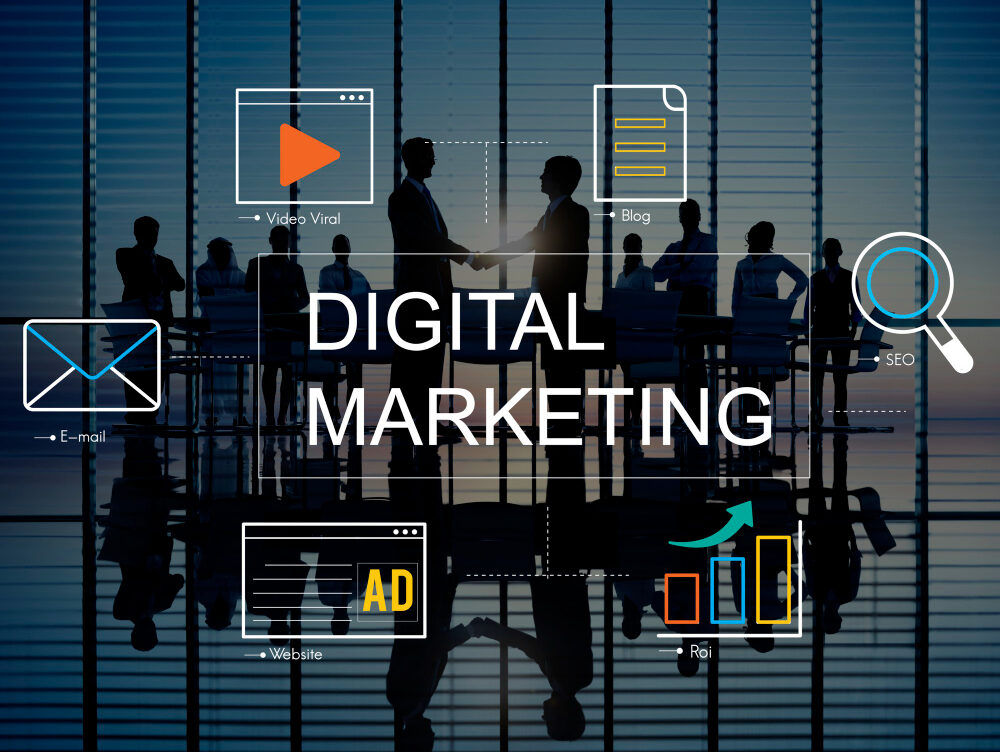
Types of Digital Marketing : A Complete Guide for Businesses in 2026
Digital marketing has transformed how businesses connect with their audience. With billions of people using the internet daily, companies now have multiple ways to promote their products and services online. Understanding the different types of digital marketing is essential for building an effective strategy that drives traffic, engagement, and sales.
In this blog, we will explore the major types of digital marketing, their benefits, and how businesses can use them effectively.
What is Digital Marketing?
Digital marketing refers to all marketing efforts that use the internet or electronic devices. Businesses leverage digital channels such as search engines, social media, email, and websites to reach current and potential customers.
According to Statista (2025), global digital advertising spending is expected to surpass $800 billion, highlighting the growing importance of online marketing.
1. Search Engine Optimization (SEO)
Search Engine Optimization (SEO) is the process of improving a website’s visibility on search engines like Google.
Key Components:
- Keyword research
- On-page optimization (content, meta tags)
- Technical SEO (site speed, mobile-friendliness)
- Backlink building
Why SEO Matters:
SEO helps businesses rank higher in search results, making it easier for users to find them organically.
Benefits:
- Long-term traffic growth
- Cost-effective strategy
- Builds credibility and trust
2. Pay-Per-Click Advertising (PPC)
PPC is a paid advertising model where businesses pay a fee each time someone clicks on their ad.
Common Platforms:
- Google Ads
- Social media ads (Facebook, Instagram, LinkedIn)
How It Works:
Businesses bid on keywords, and their ads appear at the top of search engine results or on social platforms.
Benefits:
- Instant visibility
- Highly targeted campaigns
- Measurable results
3. Social Media Marketing
Social media marketing involves promoting products or services through platforms like Facebook, Instagram, Twitter, and LinkedIn.
Popular Strategies:
- Posting engaging content
- Running paid ad campaigns
- Collaborating with influencers
Why It’s Important:
With billions of active users, social media is one of the most powerful marketing channels.
Benefits:
- Builds brand awareness
- Enhances customer engagement
- Drives website traffic
4. Content Marketing
Content marketing focuses on creating valuable and relevant content to attract and retain an audience.
Types of Content:
- Blog posts
- Videos
- Infographics
- E-books
Purpose:
Instead of directly selling, content marketing educates and informs customers.
Benefits:
- Builds trust and authority
- Improves SEO performance
- Generates leads over time
5. Email Marketing
Email marketing is one of the oldest and most effective digital marketing strategies.
How It Works:
Businesses send targeted emails to subscribers to promote products, share updates, or nurture leads.
Types of Emails:
- Newsletters
- Promotional emails
- Welcome emails
- Follow-up emails
Benefits:
- High return on investment (ROI)
- Direct communication with customers
- Personalization opportunities
According to industry reports, email marketing can deliver an average ROI of $36 for every $1 spent.
6. Affiliate Marketing
Affiliate marketing involves partnering with individuals or businesses (affiliates) who promote your products in exchange for a commission.
How It Works:
- Affiliates share unique links
- They earn a commission for each sale generated
Benefits:
- Performance-based model
- Low upfront cost
- Expands reach through partners
7. Influencer Marketing
Influencer marketing leverages individuals with a strong online following to promote products or services.
Platforms Used:
- YouTube
- TikTok
Why It Works:
People trust recommendations from influencers they follow.
Benefits:
- Builds credibility
- Reaches niche audiences
- Boosts brand awareness
8. Mobile Marketing
Mobile marketing targets users on smartphones and tablets.
Channels Include:
- SMS marketing
- Mobile apps
- Push notifications
- Mobile-friendly websites
Importance:
With the majority of internet users accessing content via mobile devices, this strategy is essential.
Benefits:
- Reaches users in real time
- High engagement rates
- Location-based targeting
9. Video Marketing
Video marketing uses video content to promote products and engage audiences.
Types of Videos:
- Product demos
- Tutorials
- Testimonials
- Short-form videos (reels, shorts)
Why It’s Growing:
Video content is highly engaging and easy to consume.
Benefits:
- Increases conversion rates
- Improves brand recall
- Boosts social media engagement
10. Marketing Automation
Marketing automation uses software tools to automate repetitive marketing tasks.
Examples:
- Automated email campaigns
- Customer segmentation
- Lead nurturing workflows
Benefits:
- Saves time and effort
- Improves efficiency
- Enhances personalization
11. Online Public Relations (Online PR)
Online PR focuses on managing a brand’s reputation through digital channels.
Activities Include:
- Press releases
- Blogger outreach
- Online reviews management
Benefits:
- Builds brand credibility
- Improves online presence
- Strengthens public image
12. Conversion Rate Optimization (CRO)
CRO is the process of improving a website or landing page to increase the percentage of visitors who take a desired action.
Techniques:
- A/B testing
- Improving user experience
- Optimizing call-to-action (CTA) buttons
Benefits:
- Maximizes existing traffic
- Increases sales and leads
- Enhances user experience
How to Choose the Right Type of Digital Marketing?
Choosing the right digital marketing strategy depends on several factors:
1. Business Goals
- Brand awareness → Social media, content marketing
- Lead generation → SEO, email marketing
- Sales → PPC, conversion optimization
2. Target Audience
Understand where your audience spends time online.
3. Budget
Some strategies like SEO take time, while PPC delivers faster results but requires investment.
4. Industry
Different industries benefit from different marketing channels.
Latest Trends in Digital Marketing (2026)
To stay competitive, businesses must keep up with emerging trends:
- Artificial Intelligence for personalization
- Voice search optimization
- Interactive content (quizzes, polls)
- Short-form video dominance
- Data privacy and ethical marketing
Final Thoughts
Digital marketing offers a wide range of strategies that businesses can use to reach and engage their audience. From SEO and content marketing to social media and influencer collaborations, each type plays a unique role in building a successful online presence.
The key to success lies in understanding your business goals and choosing the right mix of digital marketing types. By combining multiple strategies, businesses can create a powerful marketing ecosystem that drives long-term growth.
- No Comments
- April 9, 2026