

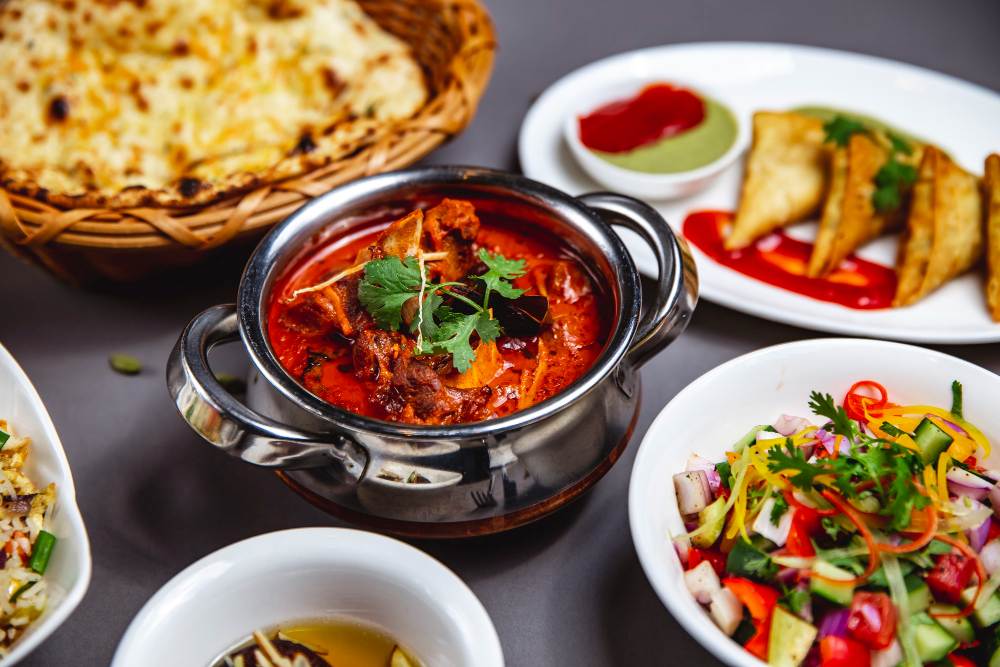
30 Days of Homemade Food
I Ate Only Homemade Food for 30 Days—Here’s What Happened
In today’s fast-paced world, ordering food has become second nature. With just a few taps on apps like Zomato and Swiggy, delicious meals arrive at your doorstep within minutes. It’s convenient, tempting, and honestly—hard to resist.
But one day, I paused and asked myself: When was the last time I consistently ate homemade food?
That simple question led me to take on a challenge: eat only homemade food for 30 days. No takeout, no dining out, no packaged shortcuts—just fresh, home-cooked meals every single day.
Here’s what actually happened.
Why I Decided to Try This Challenge
The decision wasn’t sudden. I had been feeling a little sluggish, spending more money than I realized on food, and slowly losing touch with the basics of cooking.
Homemade food often gets ignored in modern lifestyles, but it has something special—control, freshness, and a personal touch. I wanted to see if going back to simple cooking could make a real difference.
Week 1: The Struggle Is Real
The first week was the hardest—no doubt about it.
I quickly realized that cooking every day is not just about making food. It involves:
- Planning meals
- Grocery shopping
- Prepping ingredients
- Cleaning up afterward
At first, it felt overwhelming. I missed the ease of ordering food, especially on busy days. There were moments when I almost gave up.
But something shifted after a few days.
Simple meals like dal, roti, rice, and vegetables started to feel comforting. The act of cooking became less stressful and more familiar. I began to enjoy the process, even if it wasn’t perfect.
Week 2: Finding My Rhythm
By the second week, things started falling into place.
I created a basic meal plan and stocked my kitchen with essentials. This made cooking faster and less stressful. Instead of overthinking every meal, I kept things simple and consistent.
I also started experimenting a little—trying to recreate dishes I usually ordered online. Some turned out great, others… not so much. But the experience was fun and rewarding.
Here’s what I noticed during this phase:
- I was eating more balanced meals
- My portions were more controlled
- I wasn’t overeating or snacking unnecessarily
Cooking gave me a sense of control that I didn’t have before.
Week 3: The Surprising Benefits
This is where the real transformation began.
1. More Energy Throughout the Day
I didn’t expect this, but I started feeling lighter and more energetic. Homemade food, with less oil and fewer processed ingredients, made a noticeable difference.
2. Significant Cost Savings
Ordering food frequently can quietly drain your wallet. Cooking at home helped me save a surprising amount of money. Groceries were far more affordable than daily takeout.
3. Better Eating Habits
When you cook your own meals, you naturally become more mindful of what you’re eating. I paid attention to ingredients, spices, and portion sizes.
4. Improved Discipline
Sticking to this challenge required consistency. Over time, it built a sense of discipline—not just in eating, but in daily routine.
Week 4: The Toughest Moments
Even with all the benefits, the fourth week tested my patience.
Cravings hit hard—especially on weekends or after a long, tiring day. The idea of ordering something indulgent felt incredibly tempting.
Social situations were also tricky. Friends invited me out, and saying no wasn’t always easy.
To stay on track, I found a few simple strategies:
- Cooking slightly “special” meals at home to satisfy cravings
- Trying new recipes to avoid boredom
- Reminding myself why I started the challenge
It wasn’t about perfection—it was about commitment.
What I Learned From 30 Days of Homemade Food
This challenge taught me more than I expected.
1. Cooking Doesn’t Have to Be Complicated
You don’t need fancy recipes or expensive ingredients. Simple, everyday meals are enough to keep you healthy and satisfied.
2. Planning Makes Everything Easier
A little planning goes a long way. Knowing what you’ll cook saves time, effort, and stress.
3. Homemade Food Is More Than Just Healthy
It’s not just about nutrition—it’s about connection. Cooking your own food creates a deeper relationship with what you eat.
4. Convenience Isn’t Always Better
Ordering food is easy, but it often comes at the cost of health and money. Balance is key.
The Final Verdict: Was It Worth It?
Yes—completely worth it.
After 30 days, I didn’t just improve my eating habits—I changed my mindset. I became more aware of my choices, more disciplined in my routine, and more appreciative of simple meals.
I won’t say I’ll never order food again. But now, it’s an occasional treat—not a daily habit.
Should You Try This Challenge?
If you’re someone who:
- Relies heavily on food delivery
- Wants to save money
- Is trying to eat healthier
- Or simply wants to build a better routine
Then this challenge is definitely worth trying.
You don’t have to commit to 30 days right away. Start with a week. See how it feels. Adjust as needed.
Final Thoughts
Switching to homemade food isn’t about restriction—it’s about rediscovery.
Rediscovering the joy of cooking.
Rediscovering simple flavors.
Rediscovering a healthier lifestyle.
It may feel difficult at first, but over time, it becomes one of the most rewarding habits you can build.
And who knows? You might end up enjoying it more than you ever expected.
- No Comments
- April 22, 2026