

Hidden Gems in Northeast India You Must Visit in 2026
Northeast India has always been the “land of the seven sisters,” a region draped in mystery, emerald forests, and misty mountains. But for a long time, it remained the road less traveled. As we move into 2026, that is changing. With improved highways, better flight connectivity, and a growing focus on sustainable “slow travel,” the Northeast is finally having its moment.
If you are tired of the crowded streets of Manali or the commercialized beaches of Goa, it’s time to look East. Here are the true hidden gems of Northeast India that you must add to your 2026 travel bucket list.
1. Mechuka, Arunachal Pradesh: The Forbidden Valley

Often called the “Switzerland of India,” Mechuka (or Menchukha) is a small town nestled 6,000 feet above sea level in the West Siang district. It is only 29 kilometers from the Indo-China border.
- Why Visit in 2026: While Tawang gets most of the limelight, Mechuka remains pristine. In 2026, new adventure tourism initiatives are making it a hub for paragliding and river rafting.
- Top Highlight: The 400-year-old Samten Yongcha Monastery and the Yargyap Chu River that snakes through the valley.
- Pro Tip: You’ll need an Inner Line Permit (ILP) to enter Arunachal, so plan your paperwork a week in advance.
2. Majuli, Assam: A Disappearing Paradise
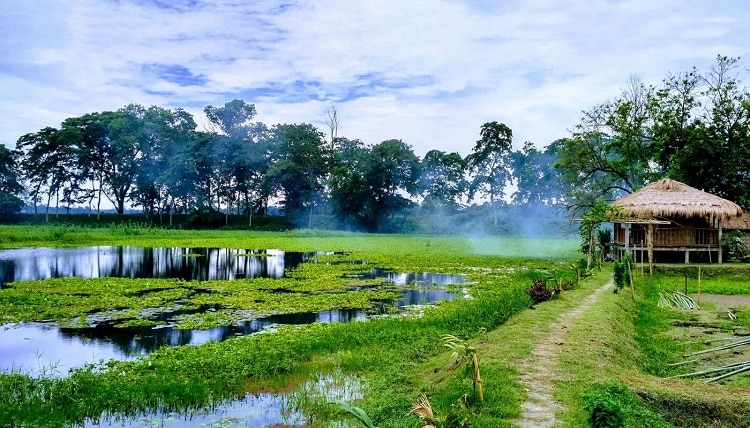
Majuli is the world’s largest river island, sitting in the middle of the mighty Brahmaputra River. It is the heart of Assamese Neo-Vaishnavite culture.
- Why Visit in 2026: Sadly, due to soil erosion, Majuli is shrinking. Visiting now is a chance to see a unique way of life that may not exist in a few decades.
- Top Highlight: Exploring the Satras (monasteries) where monks practice traditional dance, mask-making, and music.
- Travel Style: Rent a bicycle and ride through the mustard fields and bamboo huts. It’s the ultimate “digital detox.”
3. Khonoma, Nagaland: India’s First Green Village
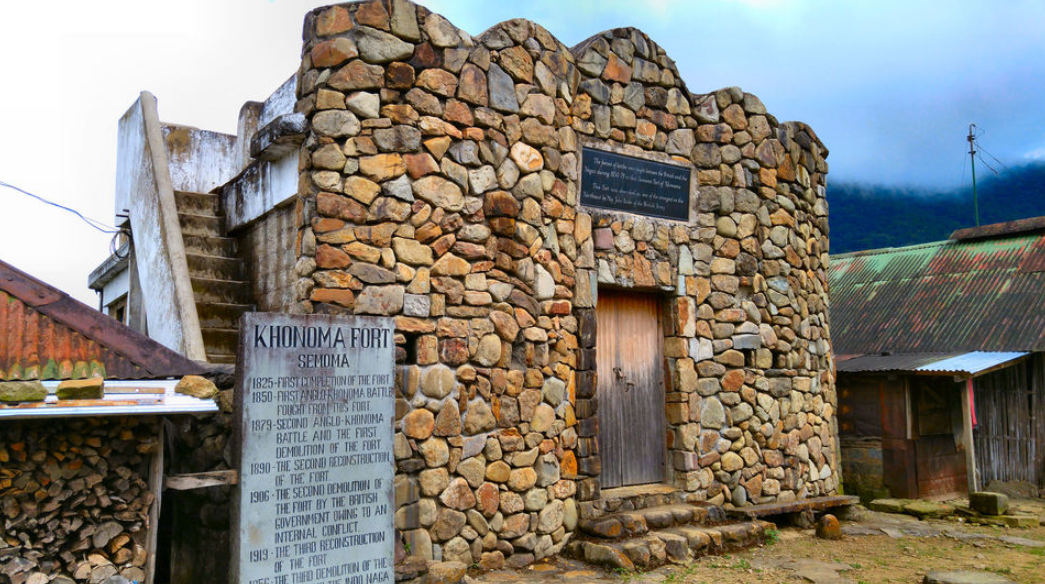
While many flock to Nagaland for the famousHornbill Festival, those seeking true peace head to Khonoma. This 700-year-old village is a pioneer in eco-tourism.
- Why Visit in 2026: As sustainable travel becomes the global standard, Khonoma stands as a masterclass in community-led conservation.
- Top Highlight: The terraced salt farms and the Khonoma Nature Conservation and Tragopan Sanctuary.
- Culture: Learn about the brave history of the Angami warriors who once fought the British and now fight to protect their forests.
4. Dzukou Valley, Nagaland/Manipur Border: The Valley of Flowers

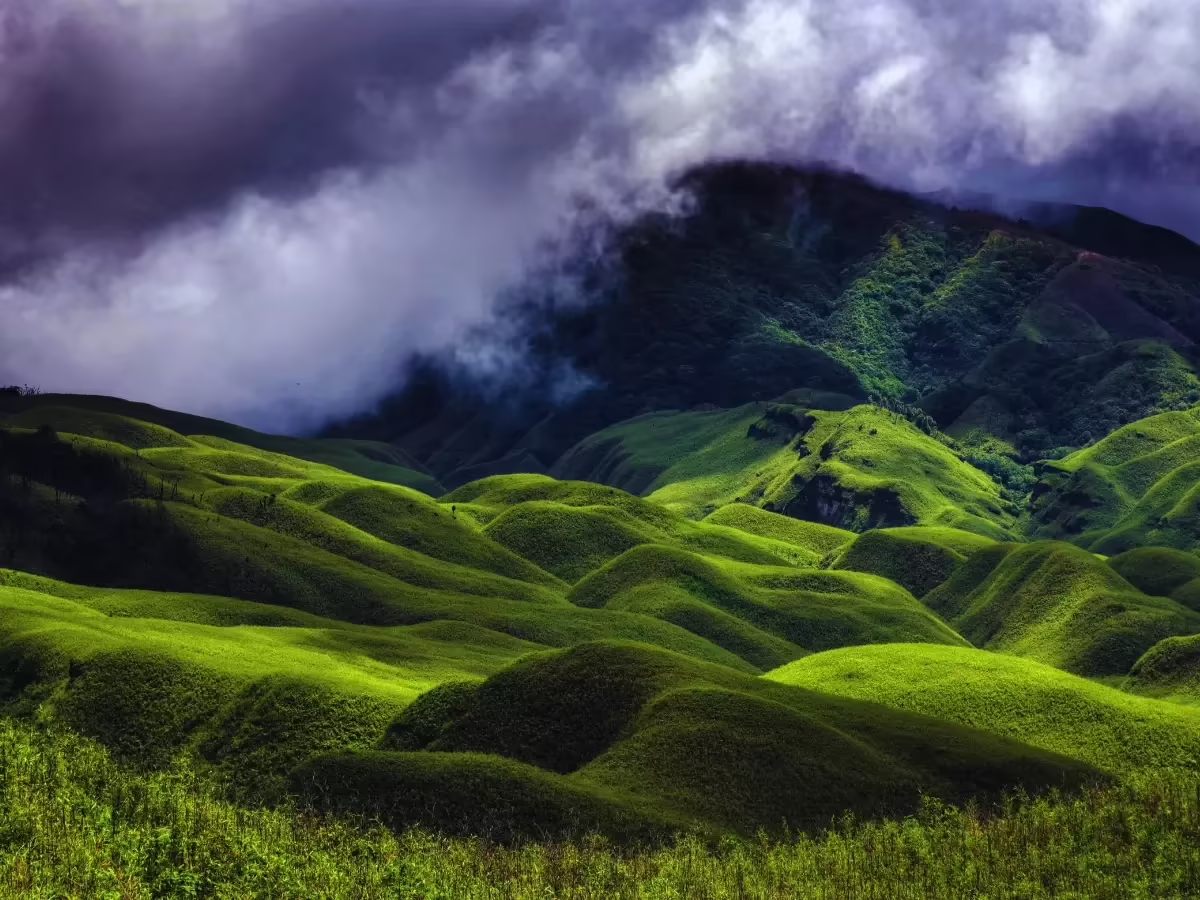
If you love trekking, Dzukou Valley is your paradise. Known for its rolling green hills that look like a Windows wallpaper, it is most famous for the rare Dzukou Lily.
- Why Visit in 2026: Trekking infrastructure has improved significantly, making it accessible for intermediate hikers while maintaining its “raw” feel.
- Top Highlight: Watching the sunrise from a campsite—the valley floor often gets covered in a thick blanket of clouds, making you feel like you’re standing in heaven.
5. Loktak Lake, Manipur: The Only Floating National Park
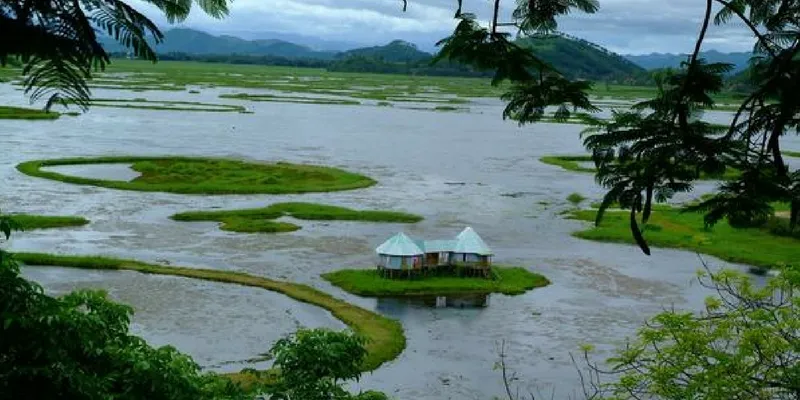
Imagine a lake covered in floating islands. These are called phumdis, and they are made of vegetation, soil, and organic matter. Loktak Lake is the largest freshwater lake in Northeast India.
- Why Visit in 2026: The lake is home to the Keibul Lamjao National Park, the only floating national park in the world and the last natural habitat of the endangered Sangai (brow-antlered deer).
- Top Highlight: Staying in a homestay built right on a floating phumdi.
- Experience: Take a traditional dugout canoe ride during sunset for some of the best photography of your life.
6. Unakoti, Tripura: The “Lost” Angkor Wat of India

Located in the Raghunandan hills, Unakoti is an ancient pilgrimage site featuring massive rock-cut sculptures of Hindu deities dating back to the 7th–9th centuries.
- Why Visit in 2026: Tripura is one of the least-visited states in India, meaning you can explore these ancient ruins without a single tourist in your camera frame.
- Top Highlight: The 30-foot-tall central Shiva head, known as Unakotiswara Kal Bhairava.
 Essential Travel Tips for Northeast India 2026
|
Feature |
Details |
|
Best Time to Visit |
October to April (for pleasant weather) or June to August (for lush monsoons in Meghalaya). |
|
Connectivity |
Major airports are in Guwahati and Dibrugarh. 2026 sees more direct flights to smaller airports like Hollongi (Arunachal). |
|
Permits |
ILP (Inner Line Permit) is mandatory for Arunachal Pradesh, Mizoram, and Nagaland. |
|
Transport |
Hiring a local cab or “Sumo” is the most reliable way to navigate the hilly terrain. |
Why Choose Northeast India for Your 2026 Trip?
1. Authenticity Over Commercialism
Unlike many hill stations in North India that have become “concrete jungles,” the Northeast remains deeply rooted in its tribal culture. You won’t find many luxury malls, but you will find warm hospitality in local homestays.
2. The Rise of Eco-Tourism
Destinations like Mawlynnong (Asia’s Cleanest Village) and Khonoma have set a global example for plastic-free, sustainable living. In 2026, travelers are looking for “guilt-free” vacations, and the Northeast provides exactly that.
3. Untouched Landscapes
From the living root bridges of Meghalaya to the snow-capped Sela Pass, the geography here is diverse and dramatic.
Final Thoughts
Northeast India is no longer just a dot on the map; it is a destination for the soul. Whether you are chasing waterfalls in Cherrapunji or drinking yak butter tea in Tawang, the region offers a sense of wonder that is hard to find elsewhere.
Are you ready to explore the unexplored in 2026? Pack your bags, respect the local traditions, and get ready for the journey of a lifetime.
Note for Travelers: Always check the latest permit requirements and weather conditions before traveling, as mountainous regions can be unpredictable. Respect the local tribal customs—always ask before taking photos of people or entering sacred groves.